Know Your Rights


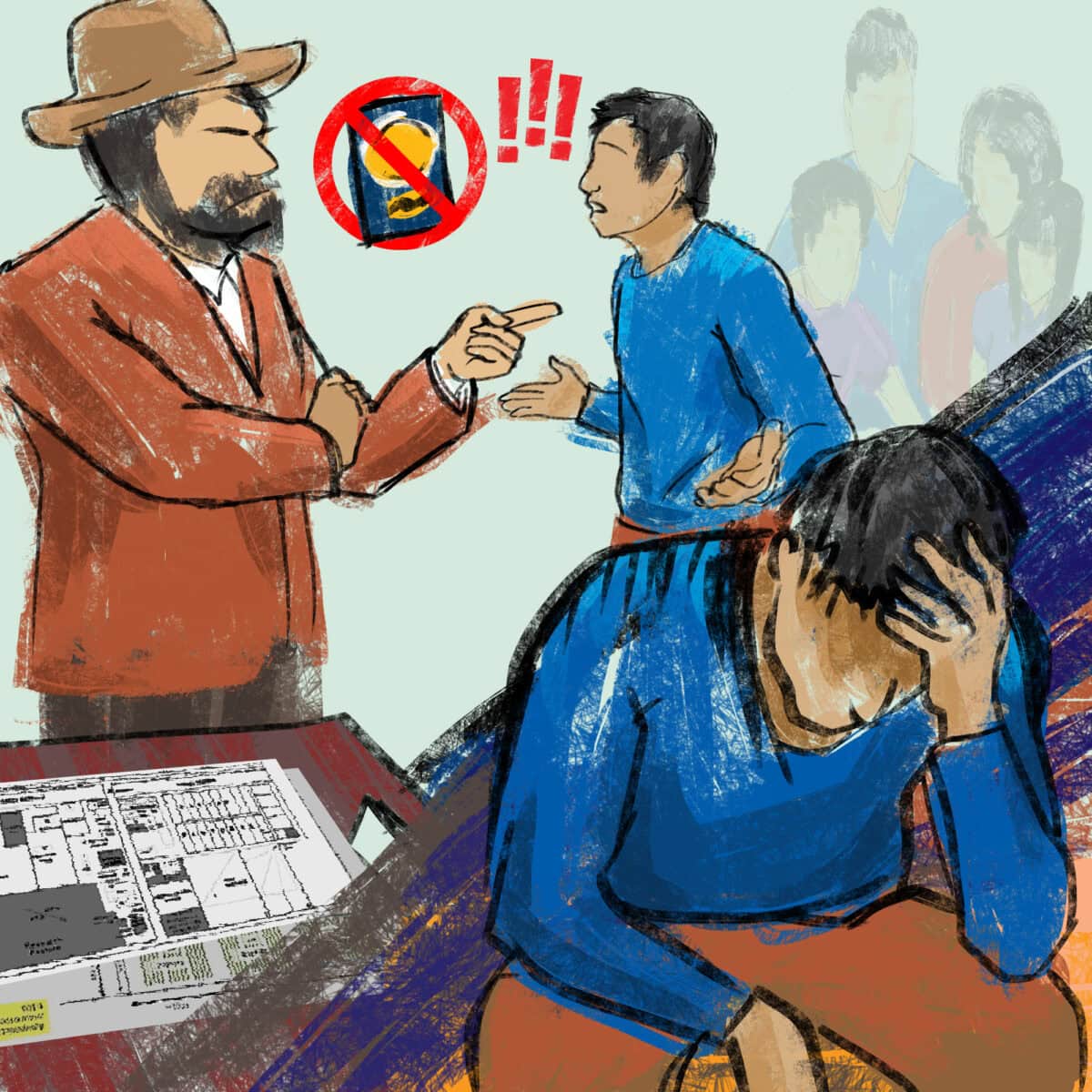
What would you do, if you were in Daniel’s shoes? If Daniel’s story feels familiar to you, we can help!
Everyone in the United States has certain rights:
You have the right to:
- Be paid fairly
- Be free from discrimination and sexual harassment
- A healthy and safe workplace
- Be free from violence and exploitation
- Leave any abusive situation
- Exercise your rights under the law and report violations without fear of retaliation
- Receive protective equipment to do your job safely (your employer must pay for protective equipment without deducting the costs from your paycheck)
- Access to clean bathroom facilities and clean, safe drinking water
- Access to soap and clean water to wash your hands as needed, especially after handling pesticides/chemicals or foods treated with pesticides/chemicals
Click on a topic below to learn more about your rights:
Minimum Wage
You have the right to receive at least the minimum wage where you work:
| Location | Minimum Wage | Effective Date |
| United States | $7.25/hour | July 24, 2009 |
| State of Illinois | $15/hour | January 1, 2025 |
| Cook County | $15.40/hour $14.05/hour $13.70/hour | July 1, 2025 July 1, 2024 July 1, 2023 |
| City of Chicago (for employers with 4 or more employees) | $17.05/hour $16.60/hour $16.20/hour $15.80/hour | July 1, 2026 July 1, 2025 July 1, 2024 July 1, 2023 |
| Location | Minimum Wage (Tipped Workers) | Effective Date |
| United States | $7.25/hour | July 24, 2009 |
| State of Illinois | $15/hour $14/hour $13/hour | January 1, 2025 January 1, 2024 January 1, 2023 |
| Cook County* | $9.25/hour $9/hour $8.40/hour $8/hour | July 1, 2026 July 1, 2025 July 1, 2024 July 1, 2023 |
| City of Chicago* | $12.96/hour $12.62/hour (for employers with 4 or more employees) $11.02/hour $9.48/hour (for large employers) $9/hour (for small employers) | July 1, 2025 July 1, 2024 July 1, 2023 |
- *minimum wage for tipped workers must meet or exceed the county or city minimum wage with tips included
Overtime
You have the right to receive overtime for each additional hour worked more than 40 hours per week.
Overtime is time and a half, or 1.5 hours. In Illinois, the overtime wage is $22.50 ($15 + $7.50).
For example: you work 42 hours a week. You earn $645 ($600 regular hours + $45 in overtime)
Not good at math? Use an overtime calculator such as this one.
Recording Your Hours Worked
Be sure to record your wages to ensure that you are being paid correctly! Use a calendar, notebook, app (such as the Department of Labor’s timesheet app) to record:
- When you started and ended your shift
- Anytime you started and ended any breaks
- How much you were paid
- How you were paid (cash, check, direct deposit, etc.)
If what you have recorded is different than what you received, you may be able to recover the wages you didn’t receive. Give us a call at 312-986-4105 for free and confidential legal services!
Workers’ Compensation
Escucha un audio del texto:
If you get sick or injured as a direct result of your job, you should receive reimbursement for medical care and you may receive payment from your employer to cover lost wages.
If you are injured on the job:
- Seek medical attention immediately. For serious injuries (e.g. head injuries, severe bleeding, fractured bones, third degree burns, chemical or pesticide exposure), go to the Emergency Room of the nearest hospital and call the ambulance if necessary.
- Notify your employer as soon as possible. They should have a formal process to provide you with workers’ compensation.
- If your employer does not answer your claim, denies your claim, or you need more assistance obtaining payments, contact an attorney who specializes in worker’s compensation.
It is illegal for an employer to harass or fire you due to having filed a worker’s compensation claim.
All workers, including undocumented workers, are protected by worker’s compensation.
Health & Safety
Escucha a un audio del texto:
Under the law, you have the right to:
- Receive training necessary to do your job safely in a language you understand
- Receive protective equipment to do your job safely, especially if you work around pesticides or dangerous chemicals (your employer must pay for protective equipment without deducting the costs from your paycheck)
- Access to clean bathroom facilities
- Access to clean, safe drinking water
- Access to soap and clean water to wash your hands as needed, especially after handling pesticides. chemicals or foods treated with pesticides/chemicals
If your employer provides housing, it must be clean and safe. You must be allowed to leave your housing during non-work hours.
DANGERS OF EXTREME HEAT
Escucha a un audio del texto:
Extreme heat or humidity increases your risk of heat-related illnesses, which can lead to serious medical conditions if left untreated. If you have to work outside while it’s hot, take extra precautions to keep yourself safe.
A job is not worth your life.
If you have work outside in extreme heat:
- Drink 1 cup of water every 15 minutes, or about 8 cone-shaped cups per hour. Don’t wait until you are thirsty to drink
- Wear and reapply sunscreen as indicated on the package
- Avoid alcohols and liquids containing large amounts of sugar
- Wear a wide-brimmed hat and loose, lightweight, light-colored clothing
- Use the buddy system: Monitor your coworkers and have someone do the same for you. Heat-induced illness can cause a person to become confused or lose consciousness
- Ask your supervisor if tasks can be rescheduled for earlier or later in the day to avoid midday heat
- Remember! Your employer must provide you with clean drinking water and toilet facilities located no further than ¼ mile away.
If you or a coworker become disoriented, lose consciousness, or are vomiting, call 911 immediately. This is a medical emergency.
PESTICIDES: KNOW YOUR RIGHTS
Escucha a un audio del texto:
What is a pesticide?
- Pesticides are chemicals that are used to kill insects, weeds, rodents, and other pests
- You may see agricultural pesticides being applied by plane, tractor, backpack, or hand sprayer.
- Because they are designed to kill, pesticide exposure can lead to serious immediate and long-term health problems
It’s important to take all incidents seriously and immediately. Seek medical attention if you are exposed!
Human Trafficking
Escucha a un audio del texto:
LABOR TRAFFICKING
Human trafficking is a hidden also because of the perception that “human trafficking” primarily refers to sexual exploitation. To be clear, trafficking is not just sexual exploitation, but rather includes forced labor of all kinds.
In the United States, men, women and children can experience labor trafficking. Construction workers, domestic workers, agriculture workers, landscapers and many other workers can experience labor trafficking.
EMPLOYERS WHO COMMIT LABOR TRAFFICKING MAY DO ANY OF THE FOLLOWING TO FORCE PEOPLE TO KEEP WORKING:
- Lie about the conditions of work to get someone to take a job (such as the number of hours of work, rate of pay, etc.)
- Deny the worker all or part of the wages they earn, often using intimidation to keep him/her quiet
- Force the worker to work long hours with no breaks
- Force the worker to work or live in substandard conditions
- Confiscate the worker’s important documents (such as passports)
- Threaten the worker with deportation to they complain or try to leave
- Threaten the worker or their loved ones with serious harm or death if they complain or try to leave
DEBT BONDAGE IS A SPECIFIC TYPE OF LABOR TRAFFICKING:
- A person agrees to have their work applied toward the payment of a debt
- However, the actual hours worked are not applied to the debt
- This results in the worker being forced to stay in the work situation, even if they want to leave, because of the debt
- This may happen where it seems like the debt never decreases or where extra charges are imposed that actually increase the debt
If you experience anything that sounds like the above conditions, it’s not your fault and help is available. Contact us immediately via phone at (312) 896-4105, via WhatsApp at (312) 579-7043 or email at trafficking@metrofamily.org for free and confidential legal advice. We can also connect you with other services you need.
H-2A Worker Rights
Escucha a un audio del texto:
H-2A VISA HOLDERS HAVE THE RIGHT TO:
DECLARATION
- A written declaration (or contract) detailing all the terms and conditions of employment, including wages, hours of work, and any benefits
- Receive this information before applying for a visa and in a language you understand
- Be guaranteed work for at least 3/4ths of the hours promised in your contract (find more information under the “Minimum Wage” section)
WAGES
- Be paid at least 2 times per month at the rate specified in your contract
- A separate paycheck for each worker (even if several family members work for the same employer)
- Paystubs detailing how your pay was calculated, and how taxes and deductions were taken out
- To be informed and agree in writing to any deductions from your paycheck (taxes are different and should be taken out by your employer)
TRANSPORT
- Reimbursement for certain costs associated with your travel to the United States
- For workers who live in housing provided by their employer, you have the right to FREE, safe transportation between your housing and worksite.
You have other rights in addition to those listed above.
Housing Rights
Discrimination
Escucha a un audio del texto:
It is illegal to discriminate against someone in the workplace because of certain characteristics, including:
- Gender
- National origin
- Sexual orientation
- Religion
- Age
- Race or color
- Pregnancy or married status
Examples of illegal actions include:
- Frequent and sever jokes or comments about someone’s nationality, birthplace, skin color, race, culture or language
- Differentiating between “women’s jobs” and “men’s jobs”, especially if women receive a lower salary for a similar job
- Firing or forcing an employee to quit because she becomes pregnant
Employers cannot punish you for making a report about a discriminatory act.
Sexual Harassment
Escucha a un audio del texto:
There are laws that protect workers from sexual harassment in the workplace.
Prohibited conduct can include:
- Unwanted sexual attention
- Physical touching
- Comments of a sexual nature
- Non-verbal harassment (staring, winking, gestures)
- Requesting sexual favors
- And more
It is illegal for your employer to fire you, discipline you, or change the conditions of your work in retaliation for bringing a sexual harassment claim.
Remember that there are strict deadlines that apply to complaints of sexual harassment.
Driving in Illinois
COMMUNITY TRAININGS
View our full Community Trainings playlist on YouTube
DO YOU SUSPECT HUMAN TRAFFICKING?
National Human Trafficking Hotline
Phone: 1-888-373-7888